Waterproof vs Regular Makeup: Why It Won’t Wash Off
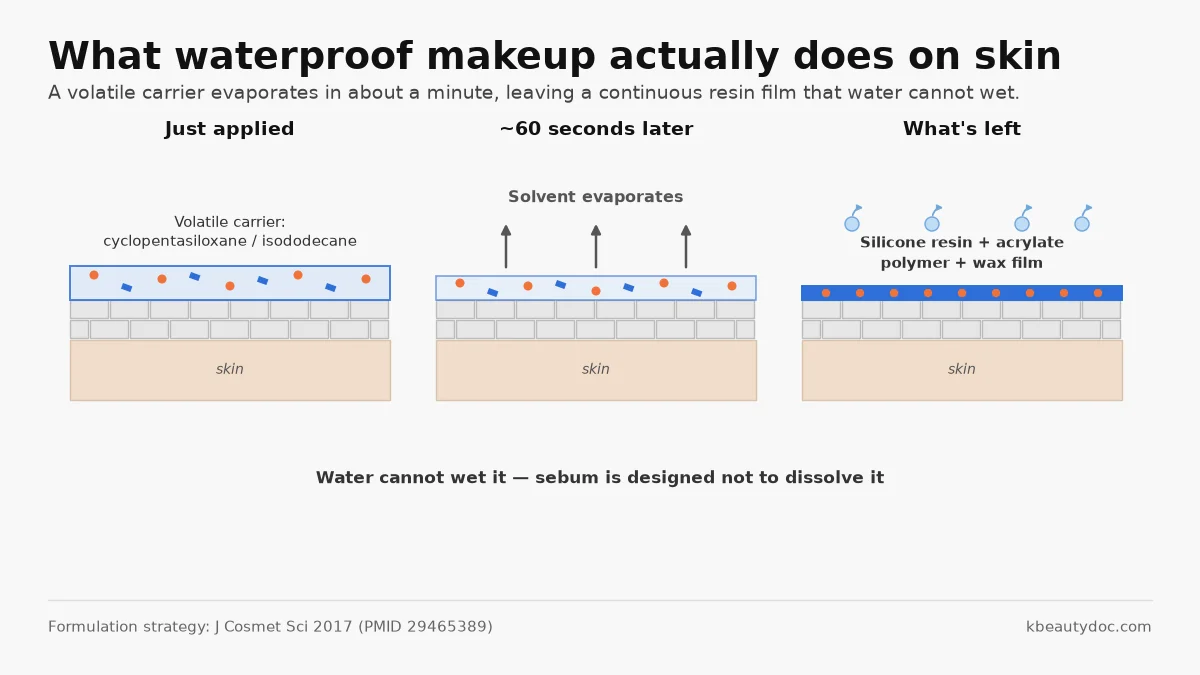
Waterproof vs regular makeup: film formers, silicone resins and volatile solvents. A Korean doctor on why oil-then-foam is the only thing that takes it off.
Home skincare guided by clinical evidence — how to read ingredient lists and use popular Korean products safely, without the marketing.
Waterproof vs regular makeup: film formers, silicone resins and volatile solvents. A Korean doctor on why oil-then-foam is the only thing that takes it off.
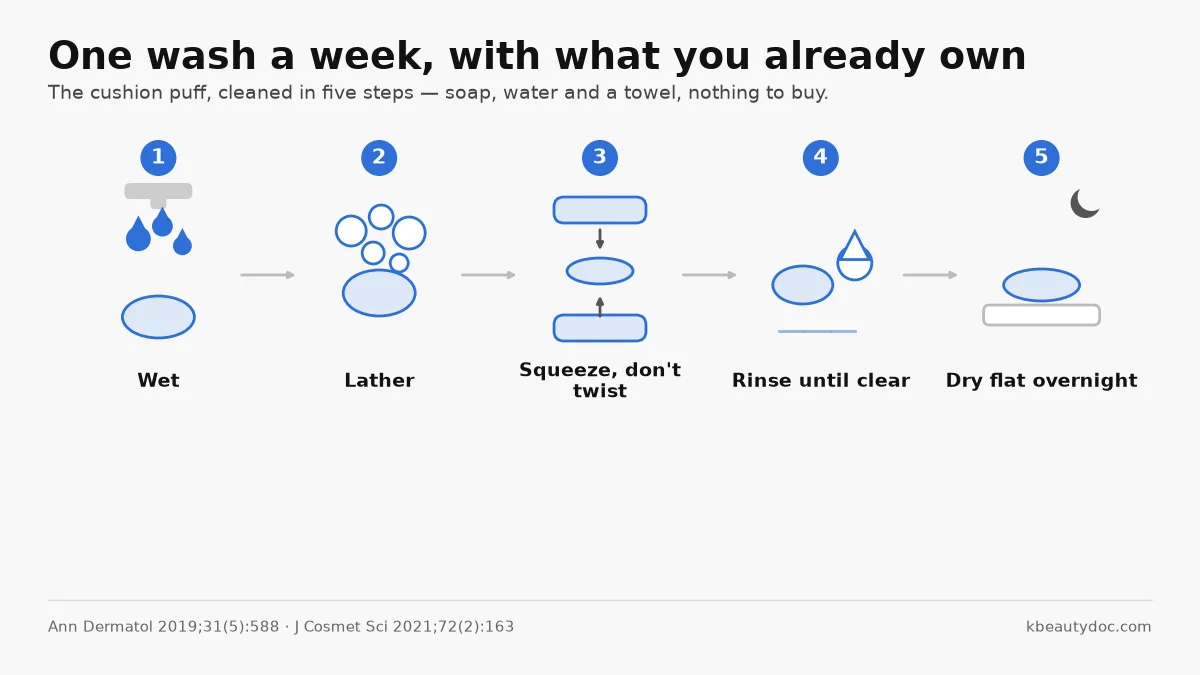
Cushion breakouts: the damp puff vs the preserved formula. A Korean doctor’s weekly routine – soap, water, a towel – with nothing new to buy.
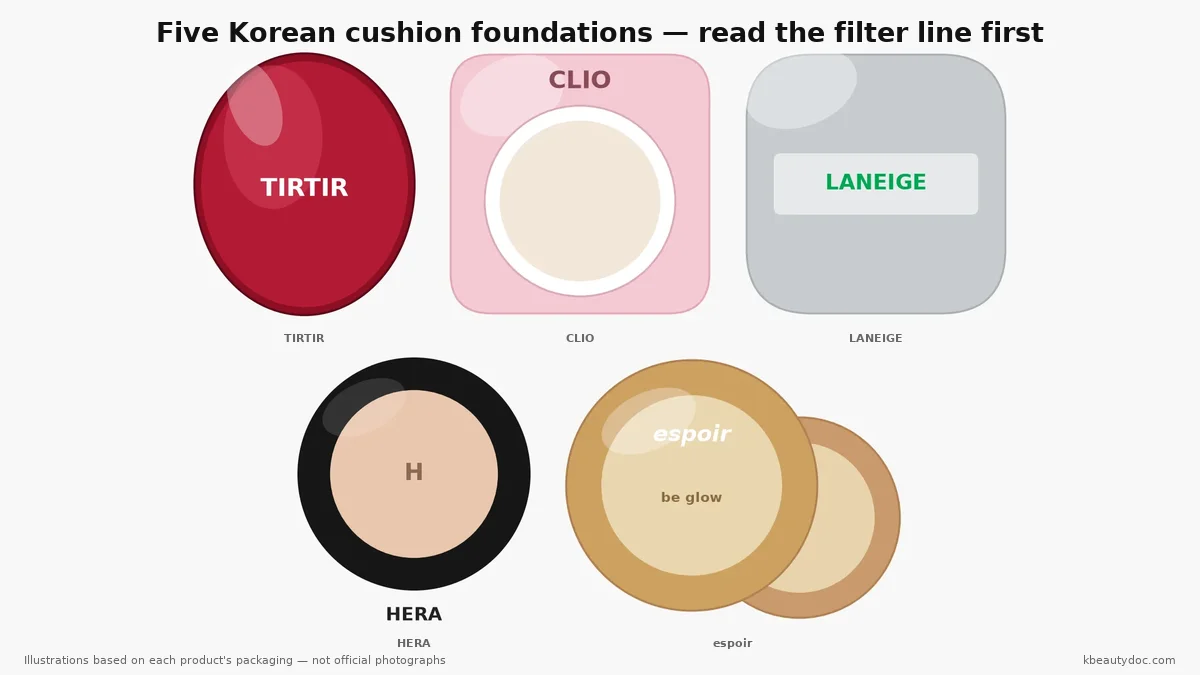
TIRTIR vs CLIO vs LANEIGE vs HERA vs espoir: a Korean doctor reads five cushion labels – UV filters, finish, fragrance – and who each one tends to suit.
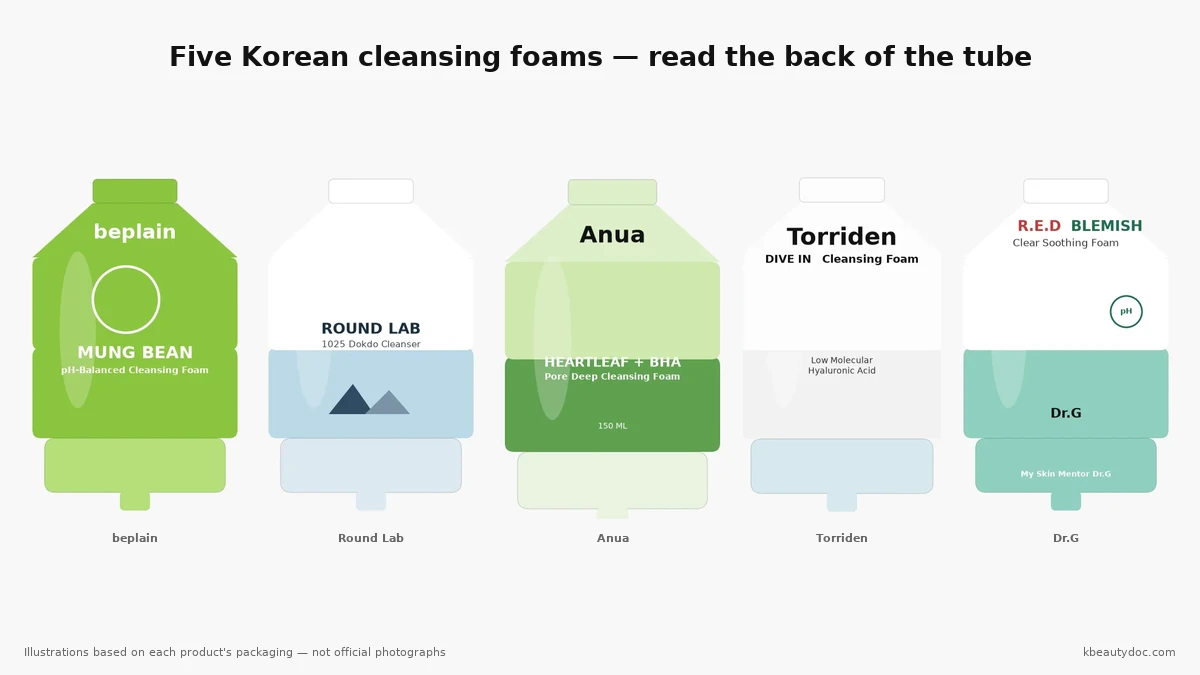
Olive Young vs Daiso cleansing foams: five tubes read label by label by a doctor – surfactant type, pH, added acids, fragrance and alcohol.
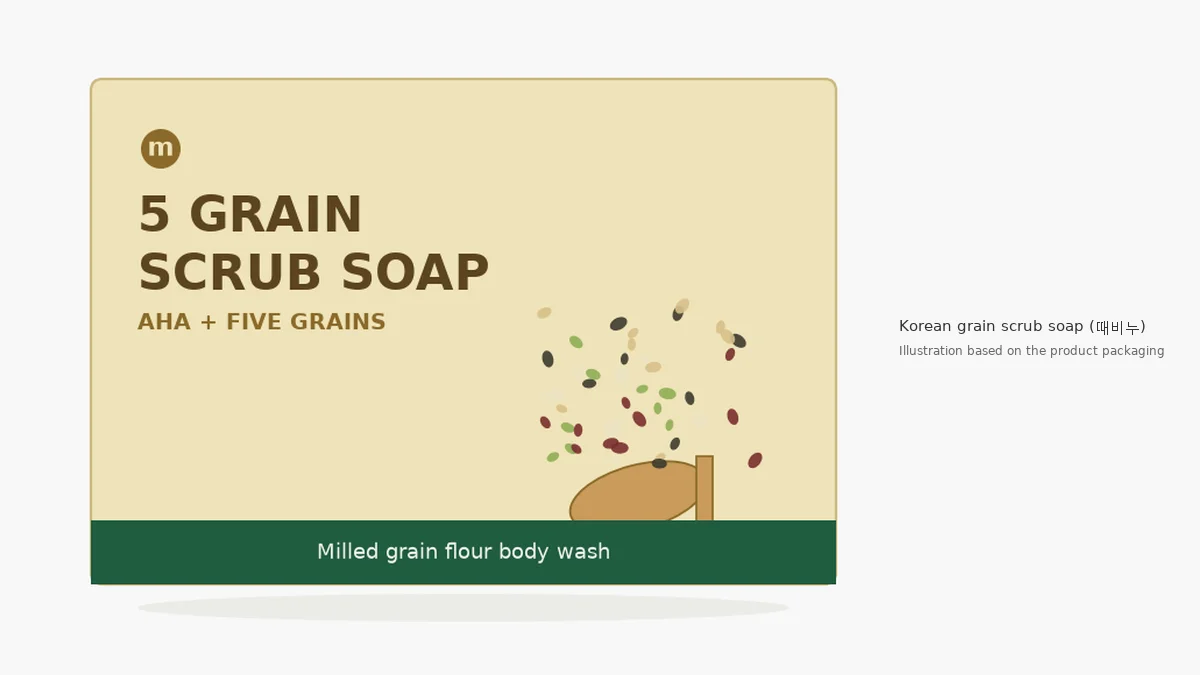
Italy towel vs the 1,000-won foam glove, used with Korean grain scrub soap. A doctor on strawberry legs, ingrown hairs and polishing without harm.
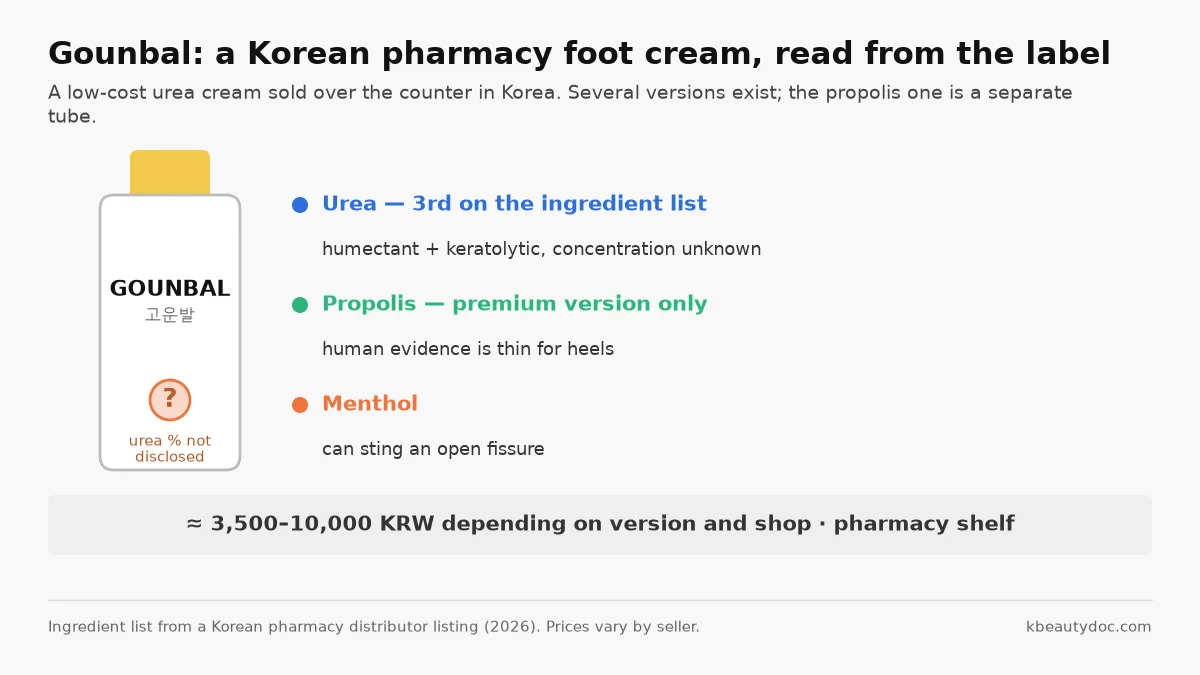
Korean vs Western urea foot creams: why Gounbal prints no percentage. A doctor reads the pharmacy label – urea, propolis – and who should be examined.
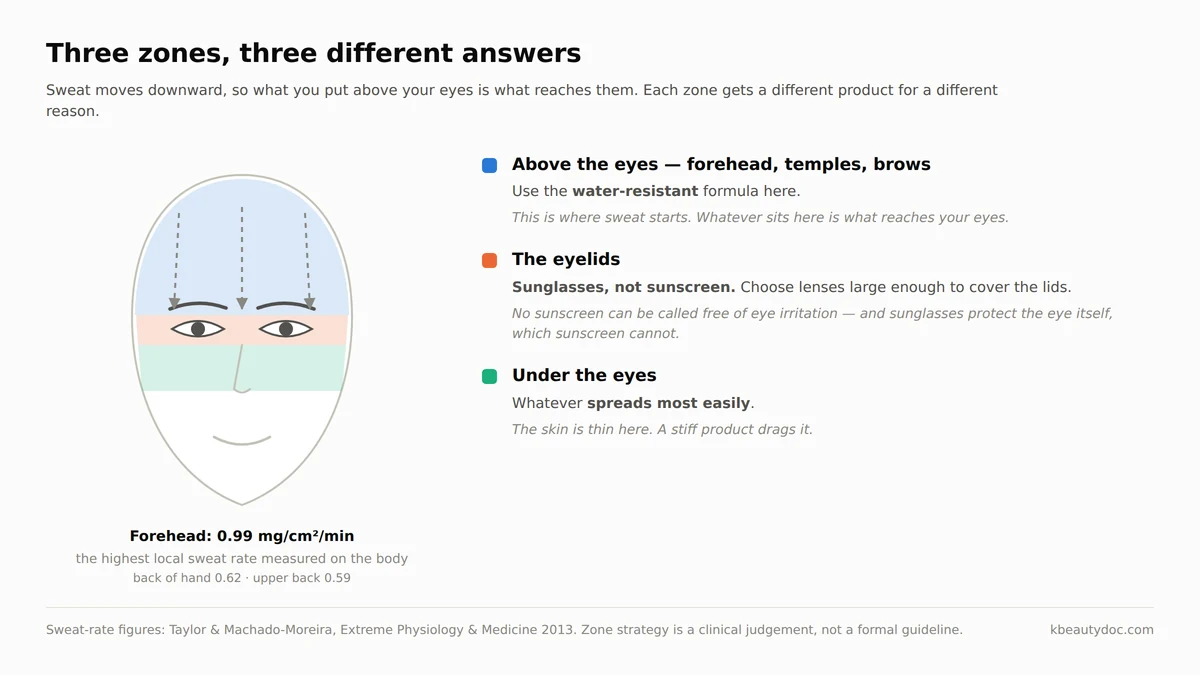
Stinging vs irritation are not the same test – a filter can pass eye-safety testing and still sting. Which sunscreen formula belongs on which face zone.
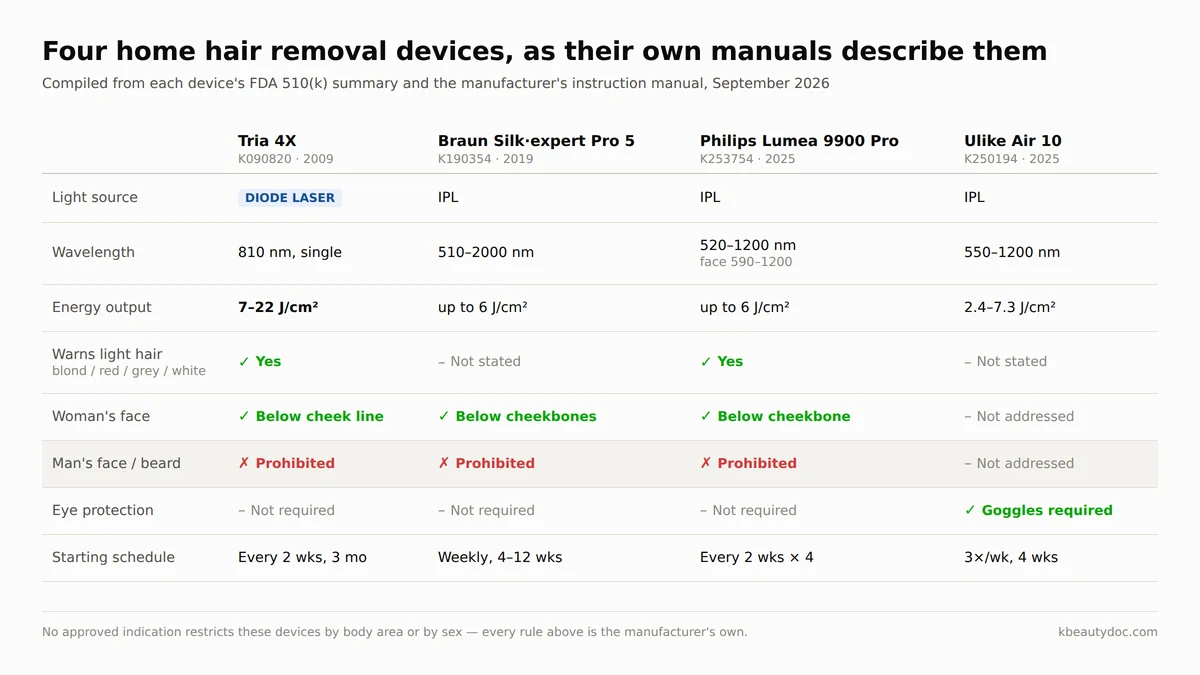
IPL vs laser home hair removal: only one of the four major devices is a laser. A doctor reads the manuals and FDA filings on hair colour, tone and beards.
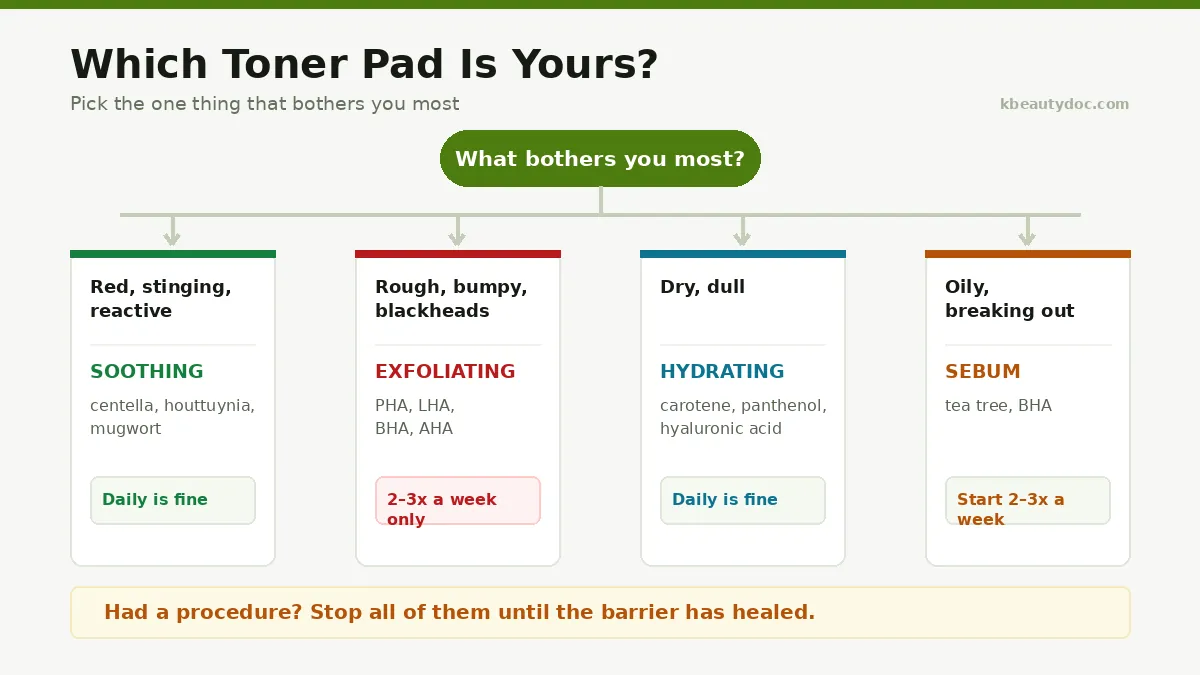
Soothing vs acid vs hydrating toner pads share a shelf but are not one product. A doctor in Korea on choosing, and how often to actually use them.
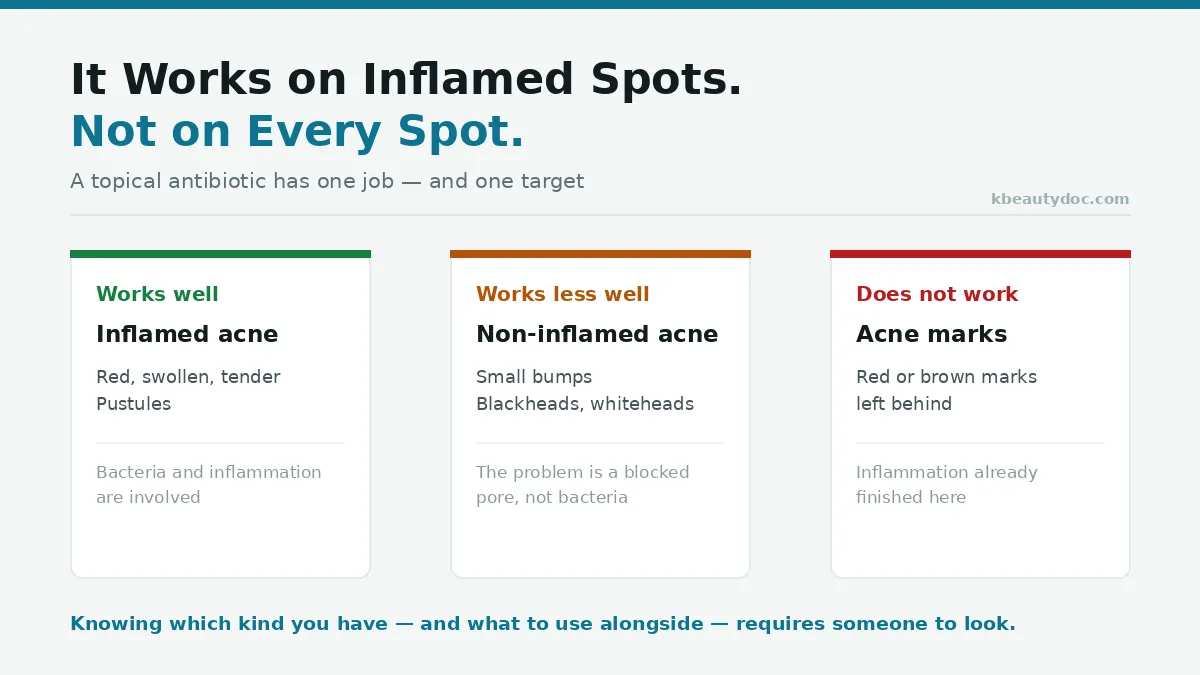
Inflamed vs non-inflamed acne: topical clindamycin works on one of them. A doctor in Korea on why it is paired with benzoyl peroxide, and how to use it.